
Virginia Beach Local
Electric Car Charger Installation Virginia Beach
Level 2 hardwired or plug-in charger setup by a licensed local electrician who knows Virginia Beach homes.
Call or text (757) 472-0283Request an estimate
Tell us what you need
Virginia Beach EV Charger Installation: What to Expect
Electric car charger installation in Virginia Beach is one of the jobs our crew at TPM Plumbing Electrical Handyman gets called for most often now, and it's not hard to see why. More homeowners are bringing EVs home and finding out the standard 120-volt outlet in the garage just doesn't cut it for overnight charging. We handle the full install: panel assessment, circuit run, charger mounting, and final test. Call (757) 472-0283 to get on the schedule.
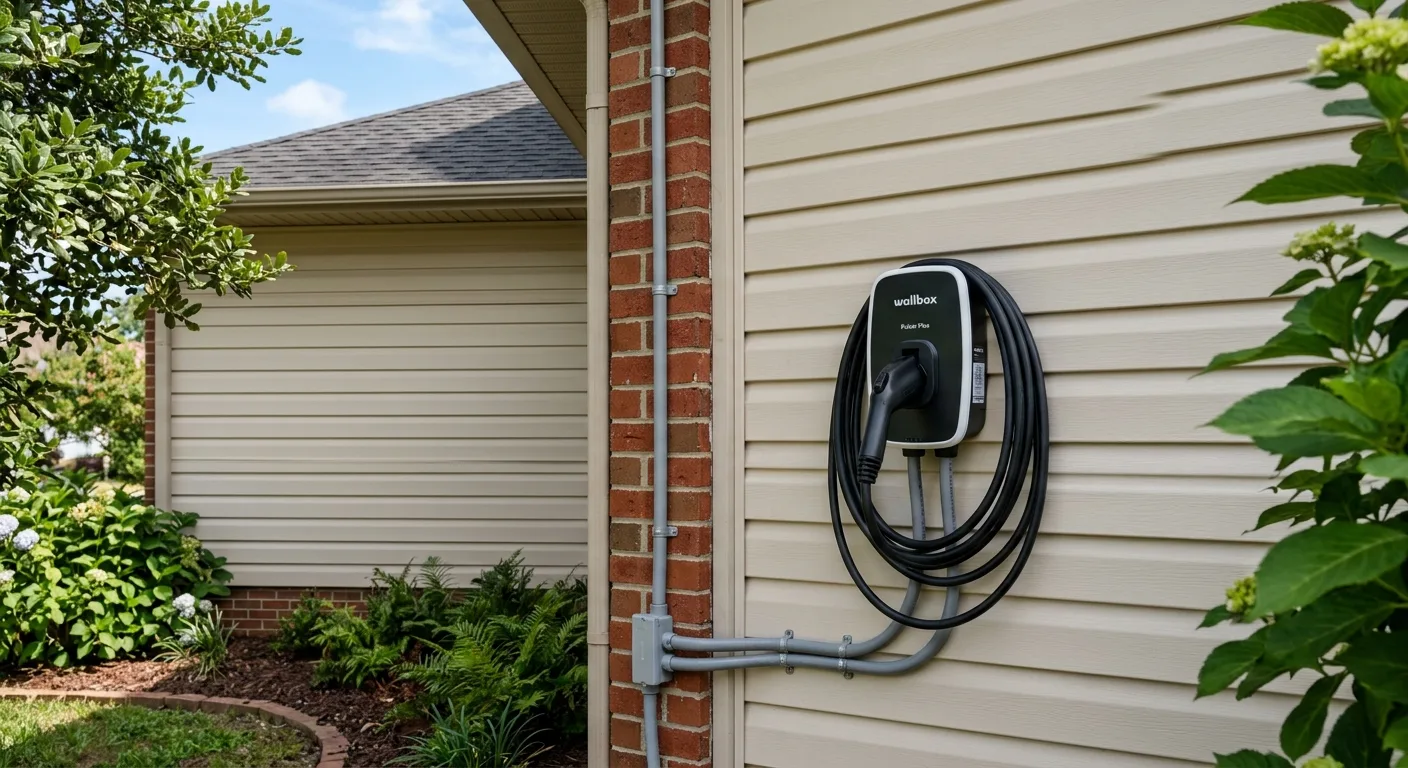
The cost of a home EV charger install depends on how much electrical work your house actually needs. A newer build in a neighborhood like Great Neck or Town Center often has a 200-amp panel with capacity to spare, so we're running a dedicated 50-amp circuit and mounting the unit in an afternoon. An older home near the Oceanfront or Shore Drive corridor might need a panel evaluation first, and sometimes a circuit upgrade before anything else happens. Outdoor installs on coastal properties need weatherproof conduit and corrosion-resistant hardware because the salt air here does real damage to exposed wiring over time. Every job is different. Contact TPM Plumbing Electrical Handyman for an accurate estimate.
What EV Charger Installation Covers
- Panel capacity check before any work starts
- Dedicated 240-volt, 50-amp circuit installation
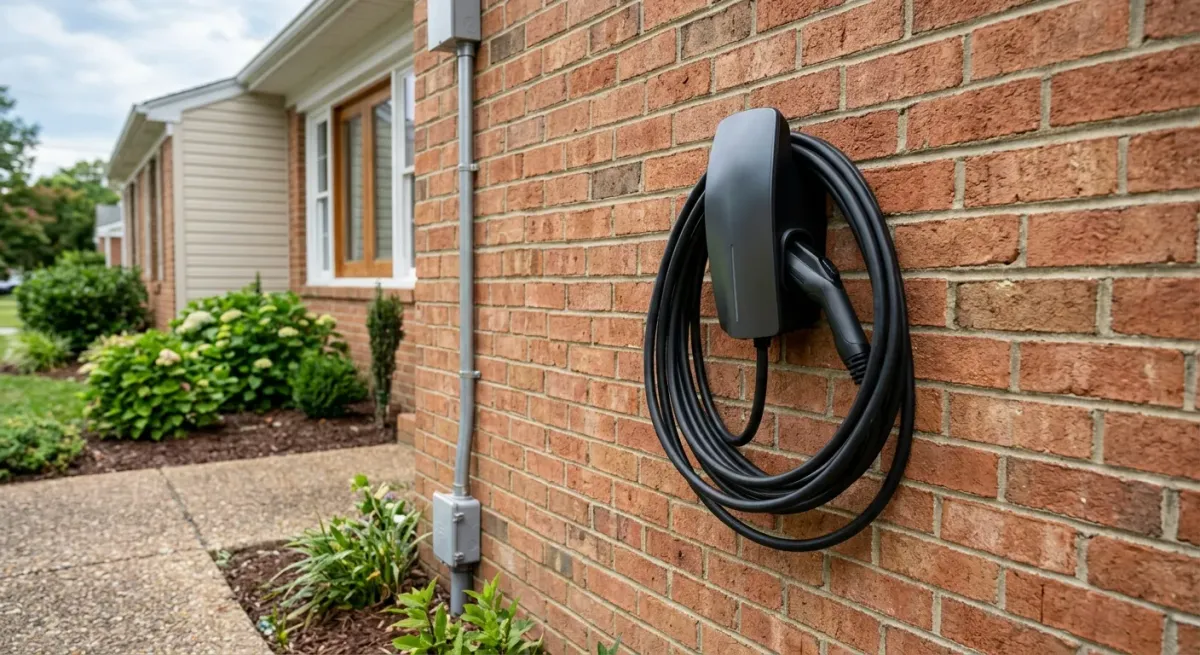
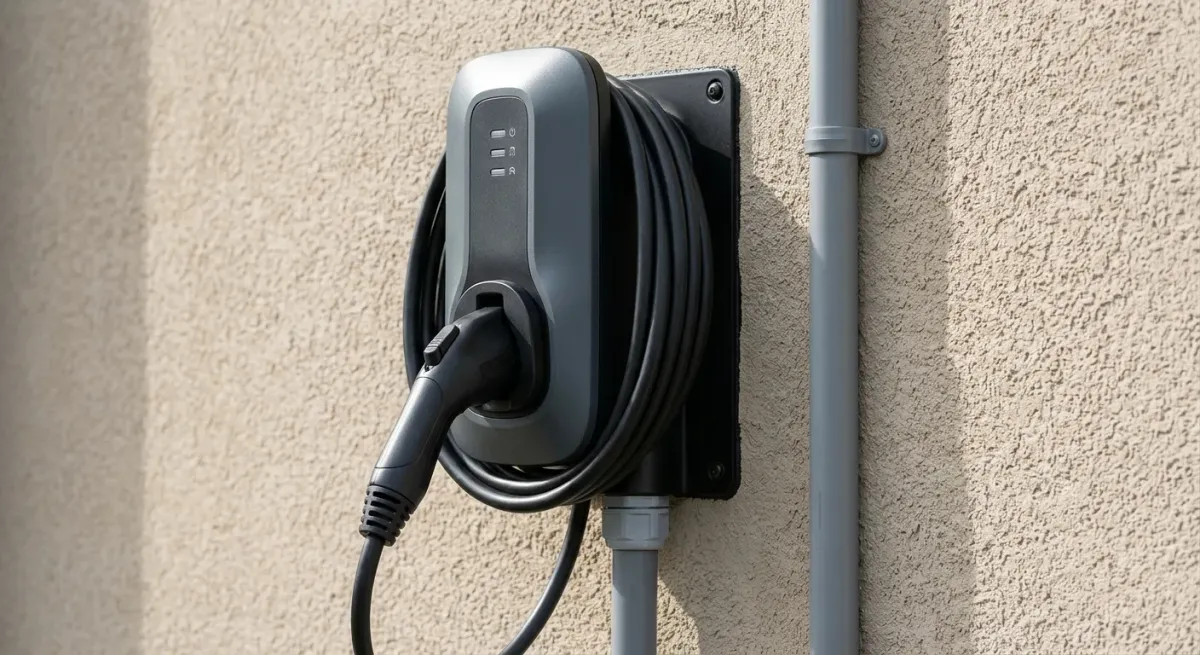
- Level 2 charger mounting: garage wall, exterior, or carport
- Weatherproof conduit for outdoor Virginia Beach installations
- Final wiring test and charger commissioning
- Permit coordination with Virginia Beach building department
Charger Types
Level 1 vs. Level 2: Which One Do You Actually Need?
Most homeowners who call us already know Level 1 is too slow. Here's what the difference looks like in practice.
Level 1 (120V Outlet)
Plugs into a standard wall outlet. Adds roughly 4 to 5 miles of range per hour. Fine for a plug-in hybrid you drive 20 miles a day. For a full EV, you're looking at 24-plus hours for a full charge, which most households find unworkable fast.
Level 2 Hardwired (240V)
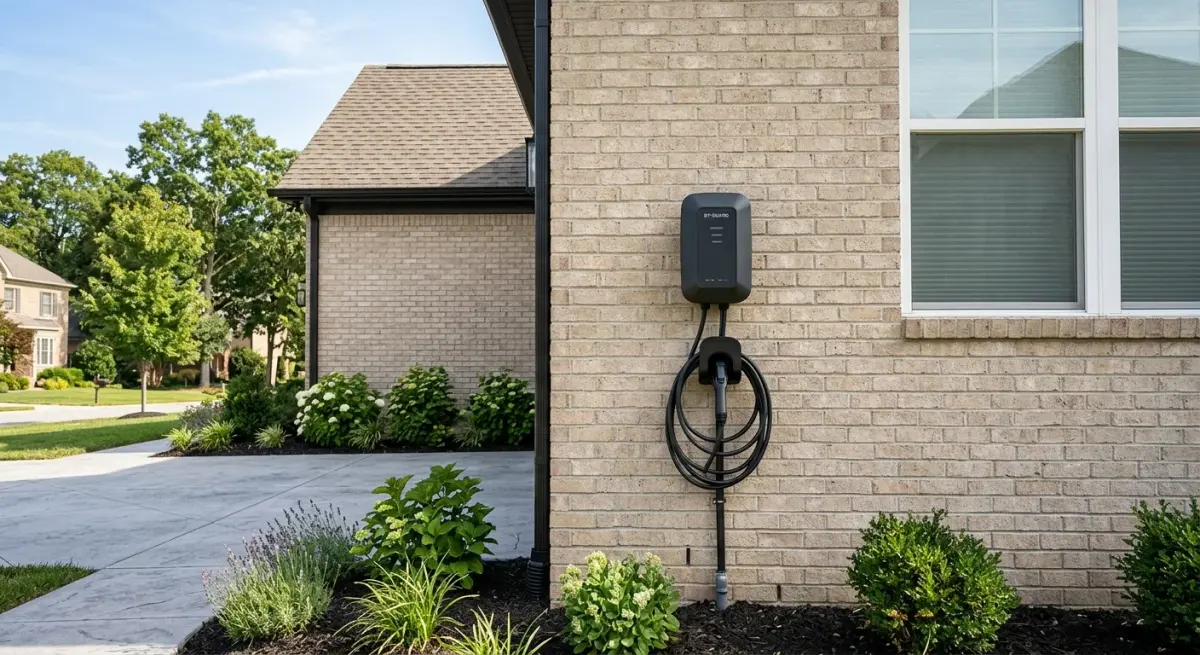
The most common install we do. Runs a dedicated 240-volt circuit from the panel directly to a wall-mounted EVSE unit. Adds 20 to 30 miles of range per hour. Most EVs charge fully overnight. This is what works for a primary vehicle.
Level 2 Plug-In (NEMA 14-50)
Same 240-volt circuit, but it terminates in a dryer-style outlet rather than a hardwired connection. The charger plugs in and can be moved or swapped out later. Some homeowners prefer the flexibility, especially if they're leasing the EV and not sure what they'll drive next.
DC Fast Charging
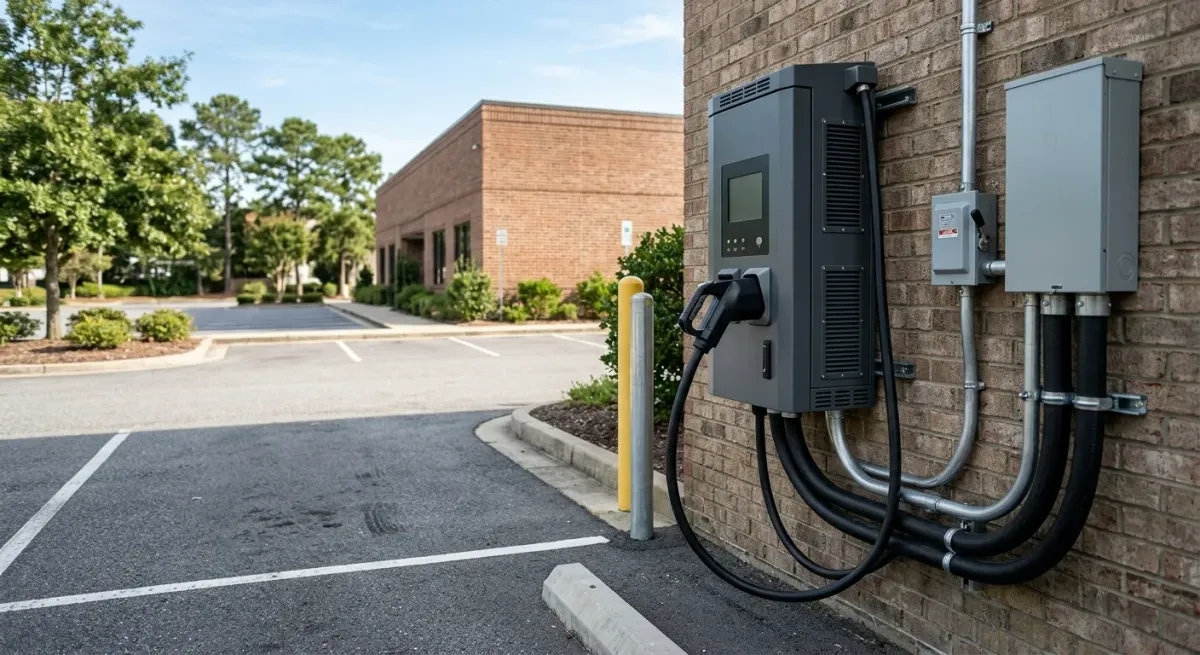
DC fast charging is a commercial-grade system. It is not a home installation. The electrical service required is simply not available in a residential setting. If a sales rep or website is quoting you DC fast charging for your house, that's the wrong conversation.
How It Works
Three Steps From Call to Charged
Electrical Assessment
We check your panel capacity, the distance from panel to install location, and whether Virginia Beach code requires a permit for your specific setup. No guessing at what's behind the wall.
Circuit and Mounting Install
We run the dedicated circuit, install weatherproof conduit where needed, mount the charger at the right height and position, and handle all the electrical wiring installation work to code.
Test and Hand Off
We power it up, verify the connection, confirm the charger communicates with the vehicle, and walk you through operation before we leave. You're not reading a manual alone.
Virginia Beach Homes and EV Charger Challenges
What You Can Count on From Our Crew
What we commit to on every EV charger install:
- Licensed and Insured in Virginia
- All electrical work is permitted and inspected per Virginia code.
- Panel Assessment Before Any Quote
- We won't tell you what you need until we've actually looked at your electrical system.
- Coastal-Rated Materials for Outdoor Installs
- Salt air and humidity require different hardware than an inland install. We don't cut corners on weatherproofing.
- Elizabeth Tovar is the owner, not a dispatcher
- When you call (757) 472-0283, you reach someone accountable for the work, not a call center.
EV Charger Install: Common Questions
Do I need an electrical panel upgrade to install a Level 2 EV charger?
What permits are required for EV charger installation in Virginia Beach?
What's the difference between a hardwired EV charger and a plug-in outlet install?
Is there a federal tax credit for home EV charger installation?
How long does EV charger installation take?
Is it cheaper to charge an EV at home or at a public charging station?
Can I use solar panels to power my EV charger?
Is there still a federal tax credit for home EV charger installation?
Can I charge my electric car with solar panels?
Where We Install EV Chargers in Hampton Roads
We serve Virginia Beach and the surrounding Hampton Roads area. If you're not sure we reach your neighborhood, just call and ask.
In the field
A look at our work
Ready to Charge at Home? Call Elizabeth's Crew.
Get your EV charger installed by a licensed Virginia electrician who knows coastal wiring and pulls the permits.
Next step
Tell us about the job
Your name, your number and what needs doing. A person from TPM Plumbing Electrical Handyman gets back to you.
Rather talk now?(757) 472-0283