
Virginia Beach Local
Heating Element Replacement in Virginia Beach
Licensed electrical work on electric resistance heaters, baseboards, and dryer elements across Hampton Roads.
Call or text (757) 472-0283Request an estimate
Tell us what you need
Virginia Beach Heating Element Replacement Explained
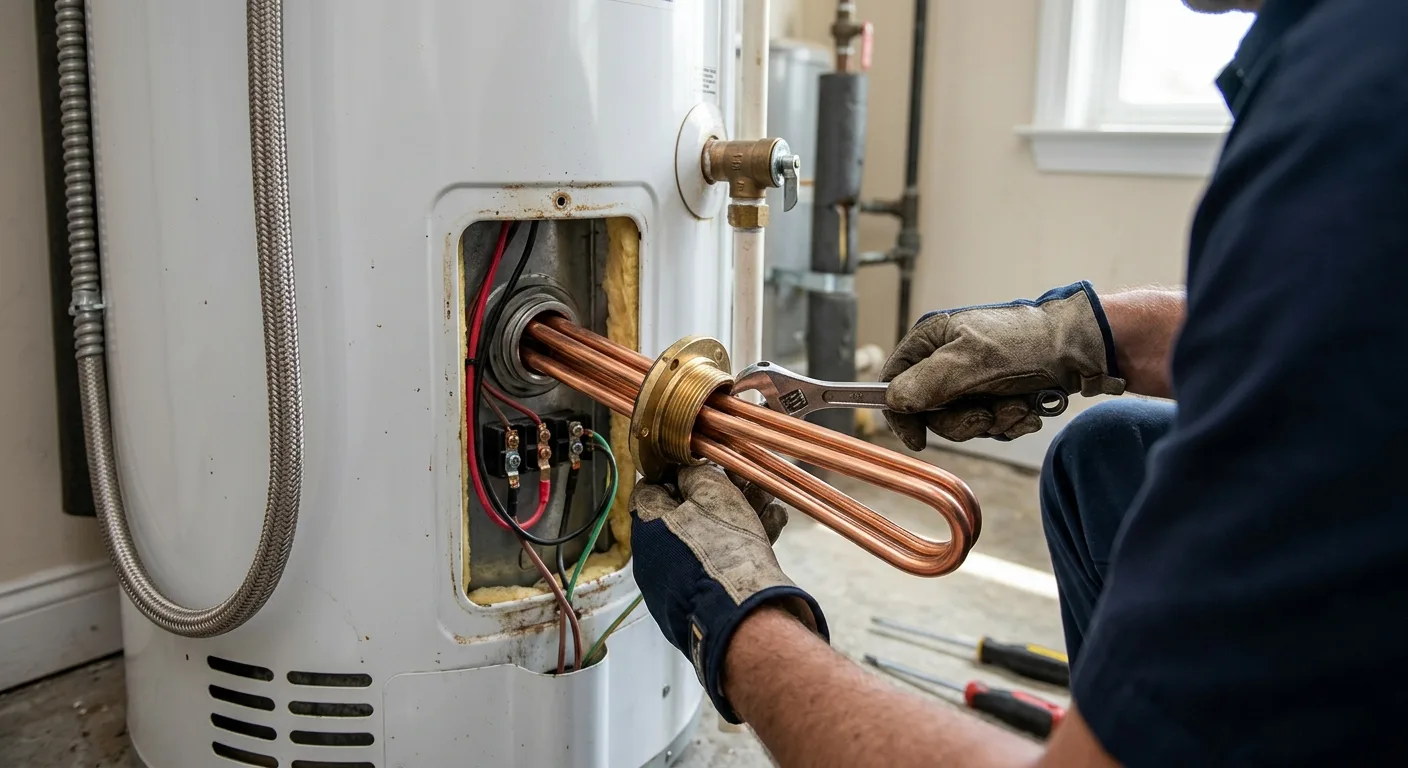
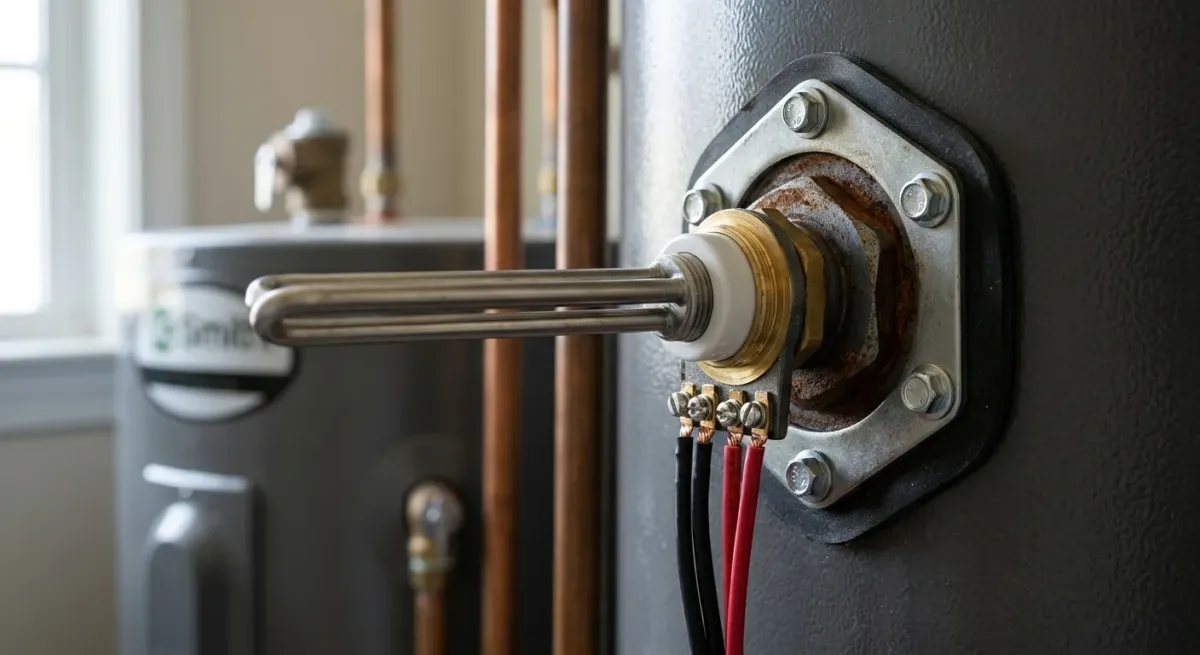
Heating element replacement in Virginia Beach is what our team at TPM Plumbing Electrical Handyman handles when your electric heater, baseboard unit, or dryer stops producing heat. If a resistance element has burned out or corroded, we diagnose the circuit, pull the failed component, and install the correct replacement so the unit heats properly again. Call (757) 472-0283 and speak directly with our crew.
What drives the scope of this job is the type of unit, the age of the wiring feeding it, and whether salt-air corrosion has worked its way into the terminals and connections. Virginia Beach's coastal humidity accelerates oxidation on electrical wiring and element contacts, which means a quick swap sometimes reveals a larger wiring issue underneath. We assess the full circuit before we quote the work, so nothing gets missed. Every job is different. Contact TPM Plumbing Electrical Handyman for an accurate estimate.
What heating element replacement covers
- Diagnosis of failed resistance elements in electric baseboard and wall heaters
- Dryer heating element removal and replacement
- Circuit check and terminal inspection before and after the swap
- Wiring assessment for corrosion or loose connections feeding the element
- Permit coordination when Virginia Beach code requires it
How It Works
Our replacement process, step by step
No element swap leaves our hands without a full circuit check. Here's what a standard visit looks like.
Diagnose before we touch anything
We test the element with a multimeter to confirm it's open-circuit, then check the breaker, thermostat, and wiring connections. A bad element and a bad breaker sometimes fail at the same time.
Pull the failed element safely
Power is killed at the panel, terminals are photographed, and the element comes out. We inspect the housing and contacts for corrosion before the new part goes in.
Install, test, and verify heat output
The correct replacement element goes in, connections are torqued to spec, and we restore power and confirm the unit reaches operating temperature before we leave.
Local Conditions
Why coastal Virginia Beach is harder on heating elements
Salt air and high humidity are the two things that shorten the life of electric heating components in Hampton Roads homes.
Salt-air corrosion on terminals
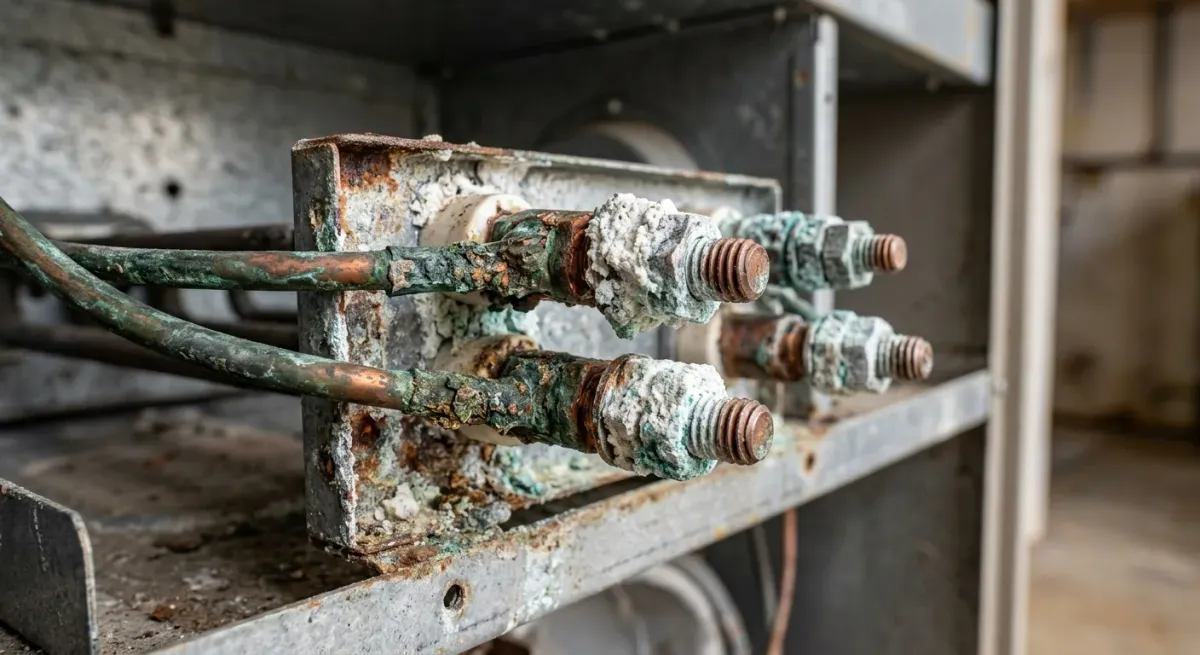
Homes near the oceanfront, Shore Drive, and Sandbridge see accelerated oxidation on element terminals and wiring connections. That corrosion raises resistance, which causes the element to overheat and fail early.
Humidity inside the unit housing
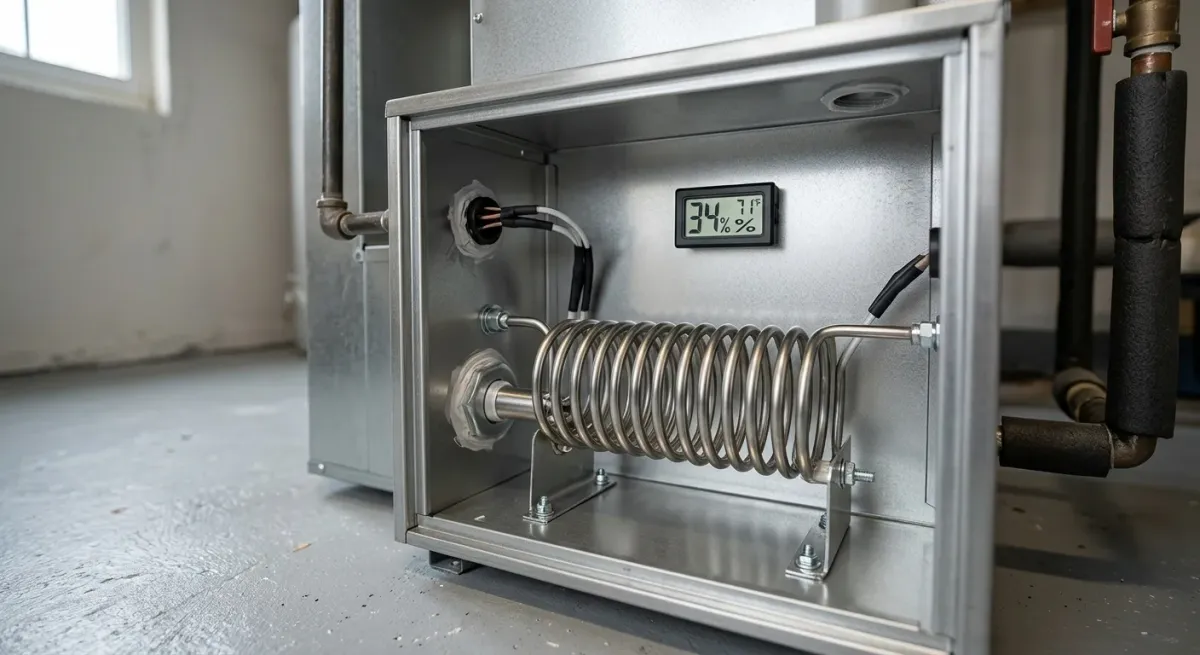
Hampton Roads winters aren't brutally cold, but the air is consistently damp. Moisture works into baseboard housings during long off-seasons and corrodes contacts that look fine from the outside.
Older wiring in aging stock
Many Virginia Beach homes built in the 1970s and 1980s run electric baseboard heat. The wiring feeding those circuits is now 40-plus years old, and an element failure is often the first sign the branch circuit needs attention too.
Dryer element failures from high cycle loads
Military households near NAS Oceana and Little Creek often run dryers hard. High-frequency use wears elements faster, and a dryer that takes three cycles to dry one load is usually running on a partially failed element.
When to replace versus when to repair
Quick Facts
Five things to know before you call
These are the facts that change how a heating element replacement job is scoped.
A multimeter test confirms the diagnosis
Before any element is ordered, we verify it's failed with a resistance test. A unit that isn't heating can also be a tripped breaker, a bad thermostat, or a loose connection.
Licensed electricians are required for hardwired units
Plug-in space heaters you can service yourself. Hardwired baseboards and built-in wall heaters are 240-volt circuits that require a licensed electrician under Virginia electrical code.
Dryer element swaps are faster than baseboard jobs
A dryer element is typically accessible in under an hour. Hardwired baseboard elements take longer because the circuit has to be de-energized at the panel and the unit partially disassembled.
Coastal homes may need a wiring check too
If the home is within a few miles of the water, we build in time to inspect the branch circuit connections for corrosion. It's faster to find it now than to come back for it later.
Start here
Book your heating element service
Call (757) 472-0283 to reach our team directly. We cover Virginia Beach and surrounding Hampton Roads communities including Chesapeake, Norfolk, Portsmouth, and Hampton.
Call or text (757) 472-0283Or send it in writing
Three fields, thirty seconds
Frequently asked questions
How do I know if my heating element needs replacement?
What is a heating element and how does it work in an electric heater?
How long does a heating element replacement take?
Why should a licensed electrician handle heating element replacement instead of DIY?
Are there building code or permit requirements in Virginia Beach for this work?
Does Virginia Beach's coastal climate shorten how long a heating element lasts?
How much does it cost to replace a heating element?
In the field
A look at our work
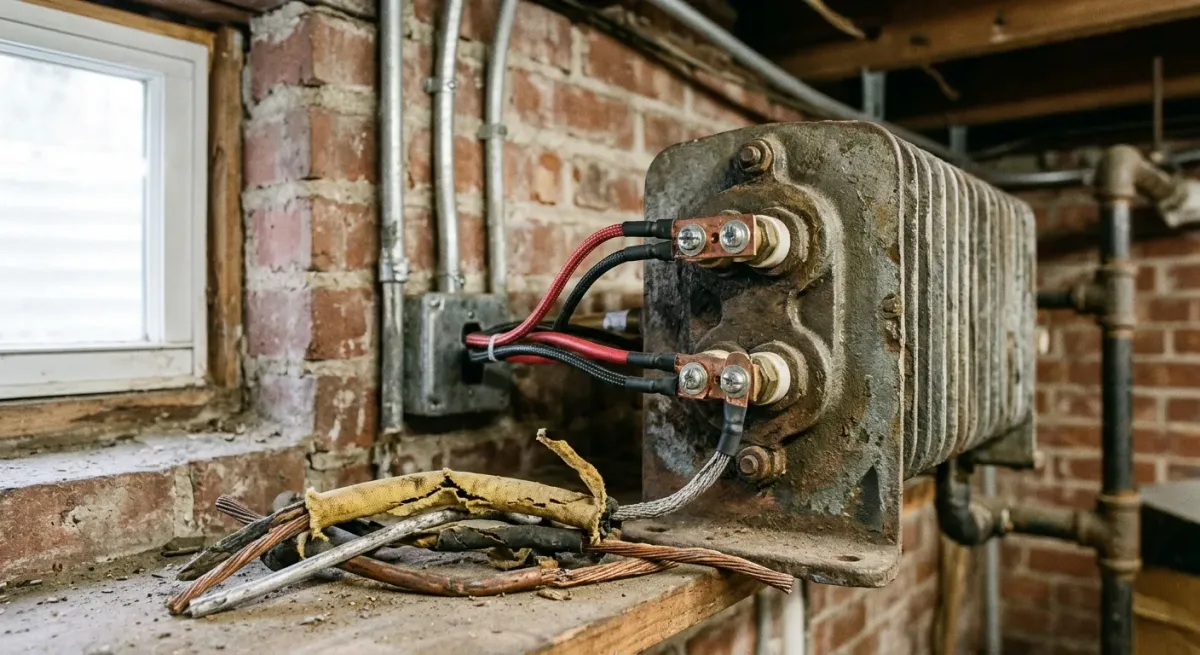
One crew handles the electrical. Call now.
Heating element burned out? Our team diagnoses the circuit, sources the right part, and gets your heat back on.
Next step
Tell us about the job
Your name, your number and what needs doing. A person from TPM Plumbing Electrical Handyman gets back to you.
Rather talk now?(757) 472-0283